
Phytoplankton: The Ocean’s Tiny Climate Heroes
More than 1.5 billion years ago, the ocean birthed new life. Elements from the sky, the water, and the land converged to create phytoplankton—an ancient aquatic organism that shaped the world as we know it.
Fast forward to today, and phytoplankton remain the invisible engines behind key ecological processes: they feed the ocean, absorb carbon, unlock nutrients, and help maintain a livable planet. At Plankton First, we work with nature to harvest these tiny but mighty climate heroes—transporting their time-tested benefits from ocean to plate.
What is phytoplankton?
Most phytoplankton are unicellular, photoautotrophic microorganisms. They are invisible to the naked eye and composed of a single cell that produces its own food through photosynthesis. In this way, phytoplankton are the aquatic equivalent of trees or plants on land: They absorb sunlight and turn it into usable energy, consuming carbon dioxide and emitting oxygen in the process.
However, unlike land plants, these organisms don’t stay in one place: They drift freely through the upper, sunlit (euphotic) layer of the water. “Phytoplankton has a very distinct lifestyle. It has no roots like seaweed; it’s more agile, versatile, and adaptive,” says Thanos Andreou, a Scientific Advisor at Plankton First. As such, thousands of species of phytoplankton have evolved to thrive in different aquatic conditions around the world.
Spotlight on Nannochloropsis oceanica
At Plankton First, we harvest a type of marine plankton called ‘Nannochloropsis oceanica.’ This species’ name can clue you into its characteristics: ‘Nano’ refers to its small size, ‘chloro’ indicates the presence of chlorophyll and the color green, and ‘opsis’ translates to ‘appearance.’ String it all together and Nannochloropsis means ‘something that looks green and small,’ while ‘Oceanica’ refers to the oceanic, saltwater conditions where this organism thrives.
A few of phytoplankton’s many benefits
Here are a few reasons that phytoplankton like Nannochloropsis oceanica are so essential for human and planetary health:
- It forms the basis of the food chain.
“Phytoplankton is the channel that brings solar energy to the Earth,” says Andreou. These organisms capture photons from the sun, synthesizing sugars and other organic substances that other plankton, marine invertebrates, and fish feed on. Without phytoplankton, species that can’t create their own food (heterotrophs) would not survive. Phytoplankton are the foundation of the aquatic food chain, and without them, the entire system would collapse.
- It creates the oxygen we breathe.
“Phytoplankton are the reason there is life on Earth,” says Andreou. In the process of converting sunlight into food, phytoplankton release oxygen as a byproduct. This oxygen eventually bubbles up and gets released into the atmosphere. Since these aquatic drifters are so abundant (composing up to 90% of the ocean’s biomass), it’s estimated that they produce half of the oxygen we breathe, making them an important ‘green lung’ of our planet.
- It reduces carbon dioxide in the atmosphere.
Phytoplankton feed on dissolved CO2 to create organic carbon during photosynthesis—transforming something harmful (high levels of carbon dioxide into the atmosphere) into something beneficial (a food source). Through this process, phytoplankton “fix” between 30-50 billion metric tons of carbon annually and are a vital part of the ocean’s ability to absorb about 30% of the CO2 that humans produce.
Plankton have a very short lifespan, and part of the biomass that they consist of sinks and is buried in seafloor sediments, sequestering carbon for the long haul.
- It’s incredibly nutritious.
Nannochloropsis oceanica isn’t just food for aquatic species—humans can (and should!) eat it too. This type of phytoplankton is naturally high in EPA, an omega-3 long-chain polyunsaturated fatty acid that has benefits for cardiovascular health, inflammation management, and more.
Humans cannot synthesize omega-3s on our own. We need to consume them from food. Eating fish and fish oil supplements is one way to get EPA, but here’s a catch: fish are actually just the ‘middle men’ in the omega-3 supply chain. They contain these compounds because they feed on plankton and aquatic plants.
By consuming phytoplankton, you’ll go straight to the source and get a dose of the original EPA—as well as other key antioxidants, trace minerals, carotenoids, polyphenols, vitamins, and complete protein.
- It’s resource-efficient to grow.
As the global population grows, we’ll need to feed more people using the same resources. Phytoplankton can help, since it contains a high protein content (35% more than other plant proteins like soy) and grows very efficiently. While many other sources of protein require lots of land, freshwater, and chemicals to survive, phytoplankton just need energy from the sun, some trace nutrients, and CO2.
How we’re using phytoplankton to feed the future (in more ways than one).
Phytoplankton are the invisible machinery that keep our oceans alive and our planet habitable. What would it look like to harness the power of these organisms to cultivate a more sustainable and nutritious food system? At Plankton First, we are in the process of finding out.
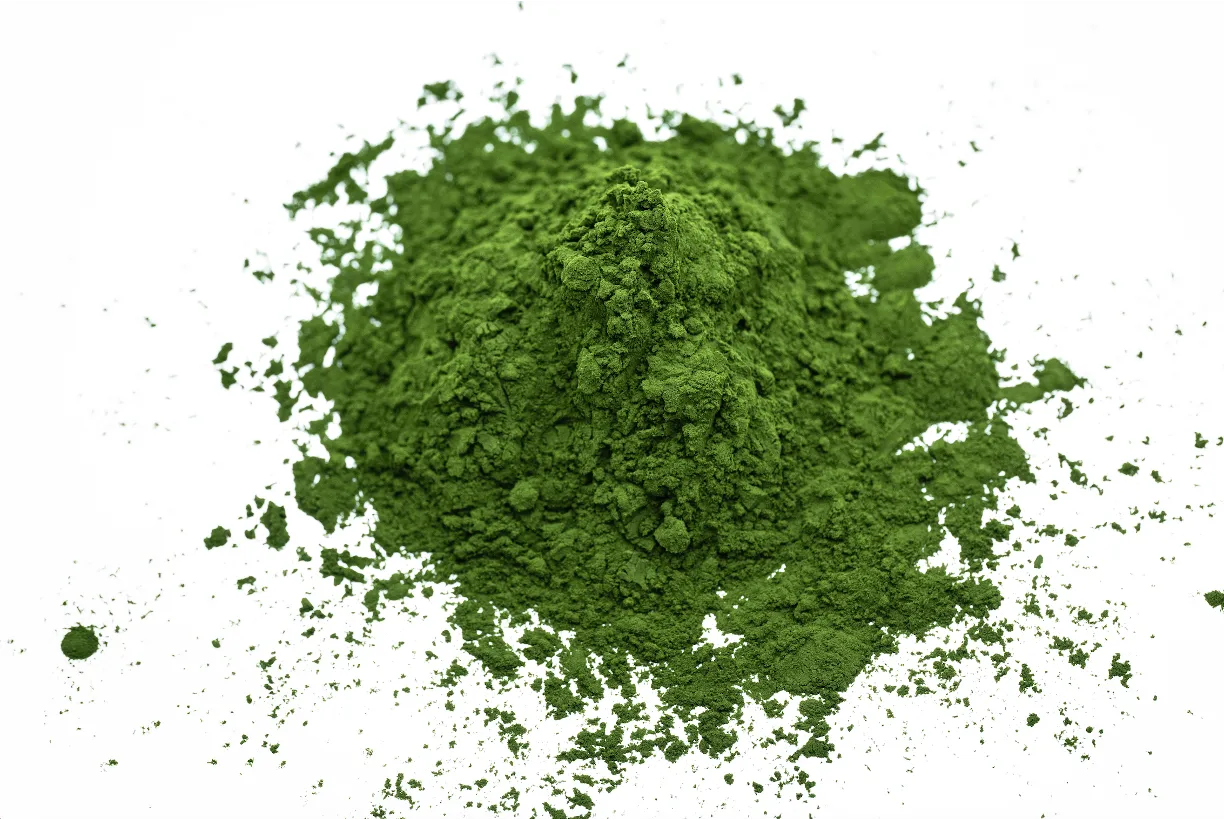
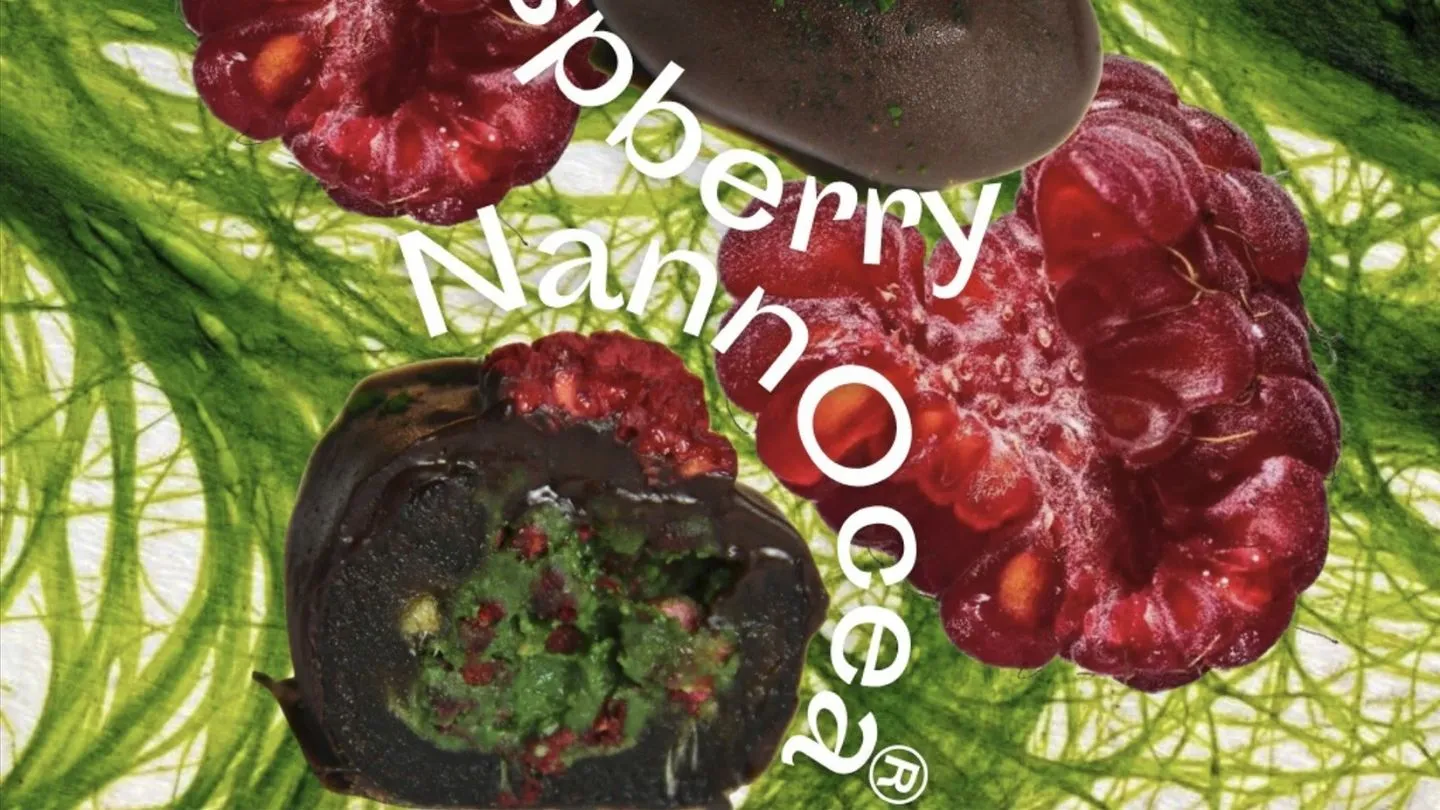
We work with nature to produce a single-ingredient phytoplankton product that connects marine sustainability with human well-being: NannOcea®.

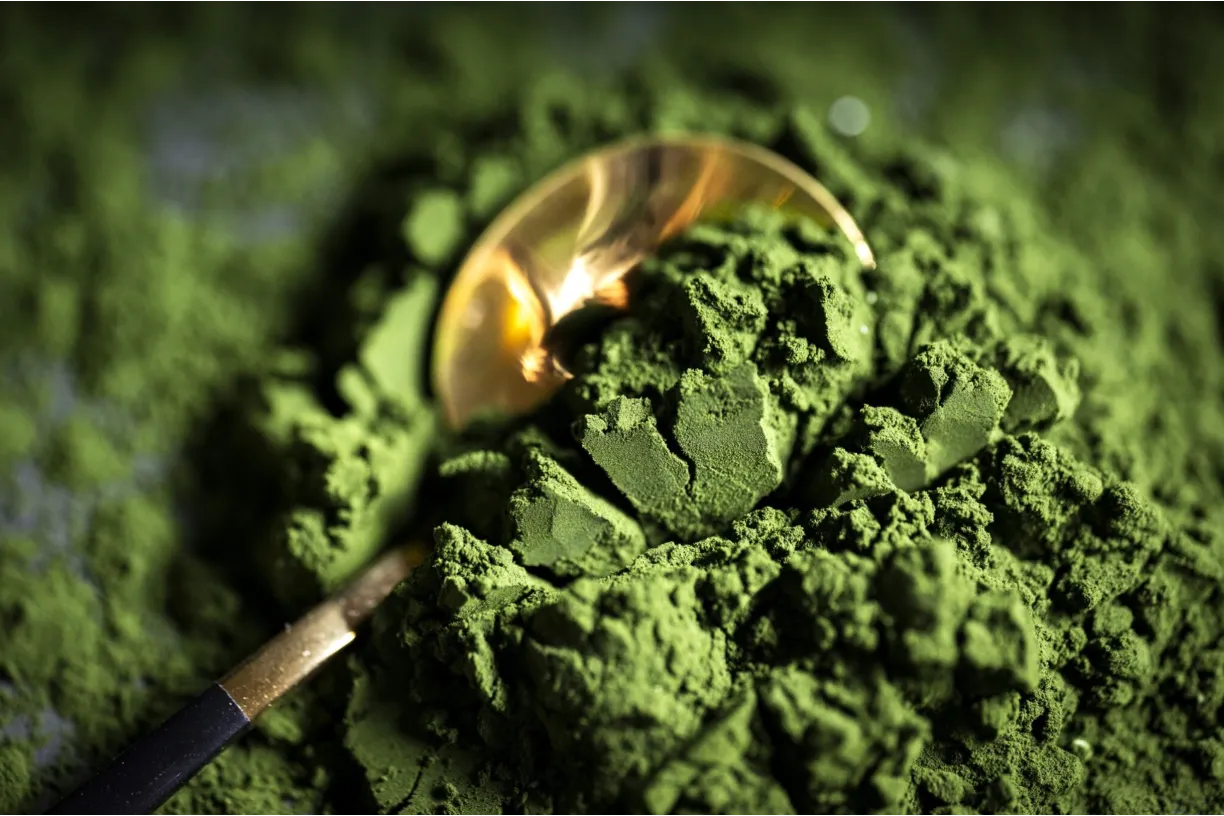
The nutrient-dense powder is a concentrated source of plant-based omega-3s and key nutrients. This single ingredient holds the potential to help delay aging processes and protect against lifestyle-related diseases by reducing oxidative stress, lowering inflammation, and supporting cardiovascular and metabolic health.
It’s also a complete protein source, meaning it has all nine essential amino acids in proper amounts for muscle growth and repair. This is rare for plant-based proteins, which are often low in at least one essential amino acid, making NannOcea® a unique ingredient for athletes looking to level up their performance with clean, sustainable nutrition.
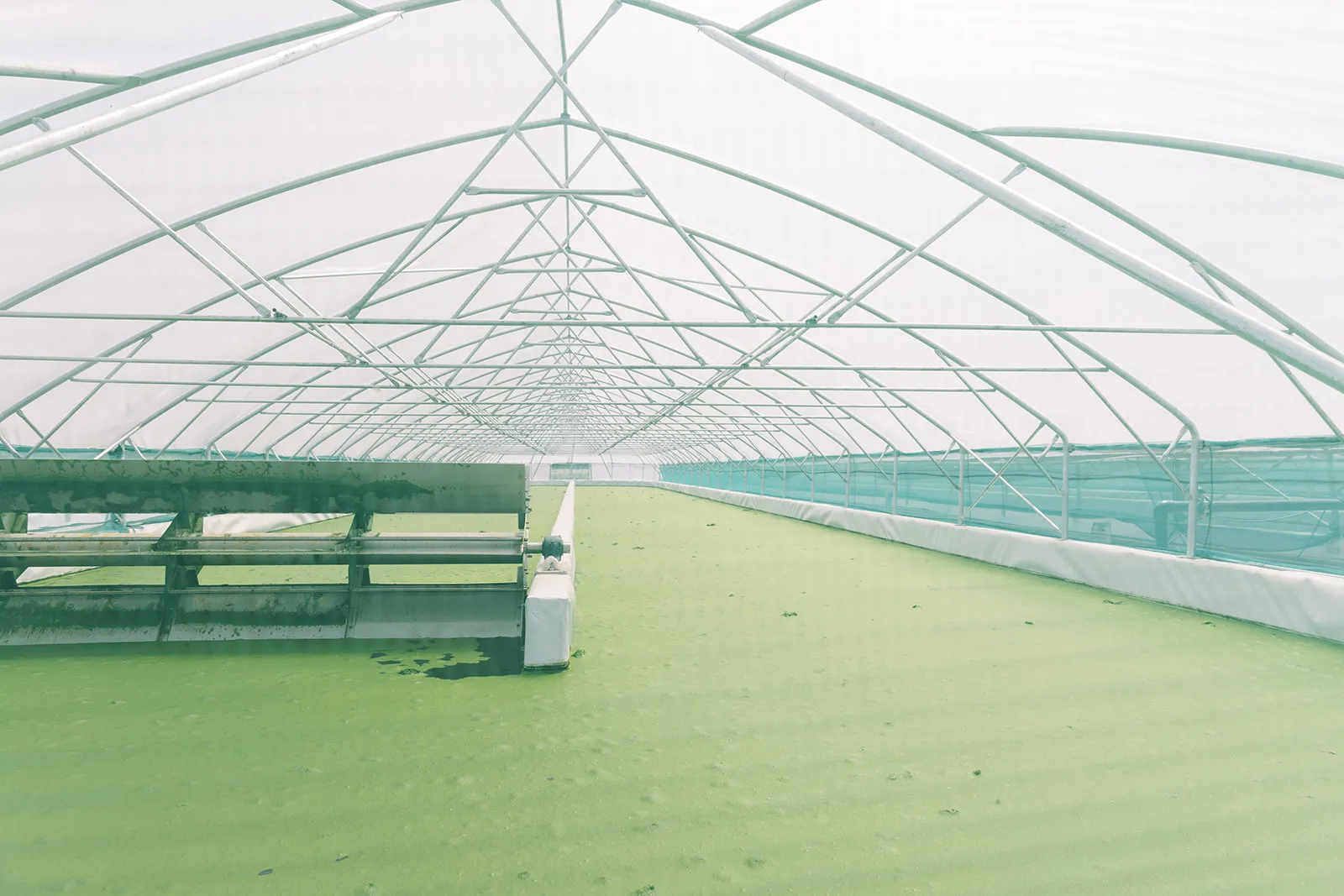
The incredible self-sufficiency of phytoplankton means that NannOcea® can be cultivated in ponds with minimal inputs and no genetic modification or engineering. Each serving is a celebration of the unmatched efficiency of nature.
Join the wave.
“In ancient times, there was no distinction between food and medicine,” says Andreou. “We see this coming back... What you eat mainly defines how healthy you are.” In a crowded health and wellness market, NannOcea® is a uniquely nutritious, sustainable, and scalable solution.
We believe that the future of nutrition will not be about what’s new or trendy—but what can withstand the test of time. Over a billion years ago, the ocean sparked an ideal food source. Now, it is getting its rightful moment in the sun.
Connect with us to have a taste of our vision and explore how NannOcea® could fuel your healthy aging or longevity innovation.
%20(1).webp)