
A Story That Began in the Ocean
More than a billion years ago, the first phytoplankton drifted into existence—tiny, sunlight-driven organisms that would reshape Earth’s climate, food webs, and biology.
.jpg)
Today, these microalgae remain the ocean’s quiet engine: capturing carbon, releasing oxygen, creating biomass, and feeding entire ecosystems. And increasingly, they are finding their way into human nutrition, functional foods, and emerging wellness applications.
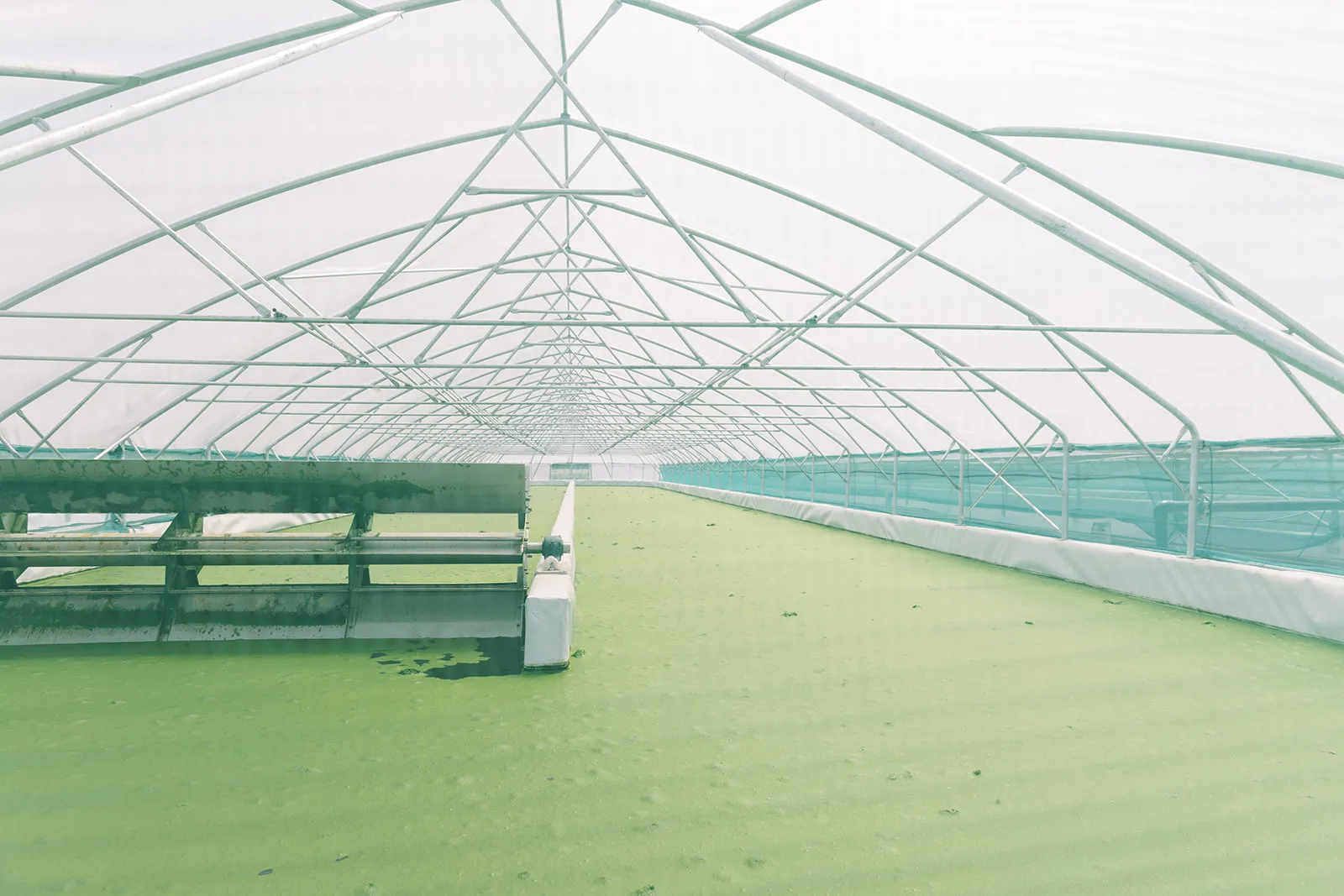
At Plankton First, we cultivate one of nature’s most efficient species, Nannochloropsis oceanica, transforming its natural nutrient density into modern applications—from performance nutrition to healthy aging, and now even innovative formats in functional foods.
What exactly is phytoplankton?
Phytoplankton are unicellular, photoautotrophic microorganisms that drift in the ocean’s sunlit layer. They convert sunlight and CO₂ into energy with remarkable efficiency, forming the basis of marinelife. To explore how these organisms shape our climate and ecosystems, you can read more about them here.
Spotlight on Nannochloropsis oceanica
The species we cultivate, Nannochloropsis oceanica, is naturally rich in EPA omega-3,antioxidants, polyamines,and complete protein. Its resilience and nutrient density make it an ideal candidate for human applications.

Five reasons to celebrate—and cultivate—phytoplankton
1. The foundation of the marine food web
Phytoplankton convert sunlight into organic energy, feeding zooplankton, crustaceans, and fish. Without them, aquatic food chains would collapse.
2. A major source of the oxygen we breathe
Through photosynthesis, phytoplankton release significant amounts of oxygen, supporting atmospheric balance.
3. A natural carbon sink
These organisms help fix large quantities of carbon each year, supporting the ocean’s ability to buffer human emissions and regulate the climate.
4. A powerhouse of natural nutrition
Nannochloropsis is an exceptional source of plant-based EPA, antioxidants, polyphenols, vitamins, minerals, and all essential amino acids. It delivers the omega-3s that fish are known for—because fish get them from microalgae.
5. Efficient, clean, and scalable to grow
With minimal inputs and impressive productivity, phytoplankton offer a path to more sustainable protein and omega-3 availability without stressing land or freshwater systems.
From microalgae to modern food innovation
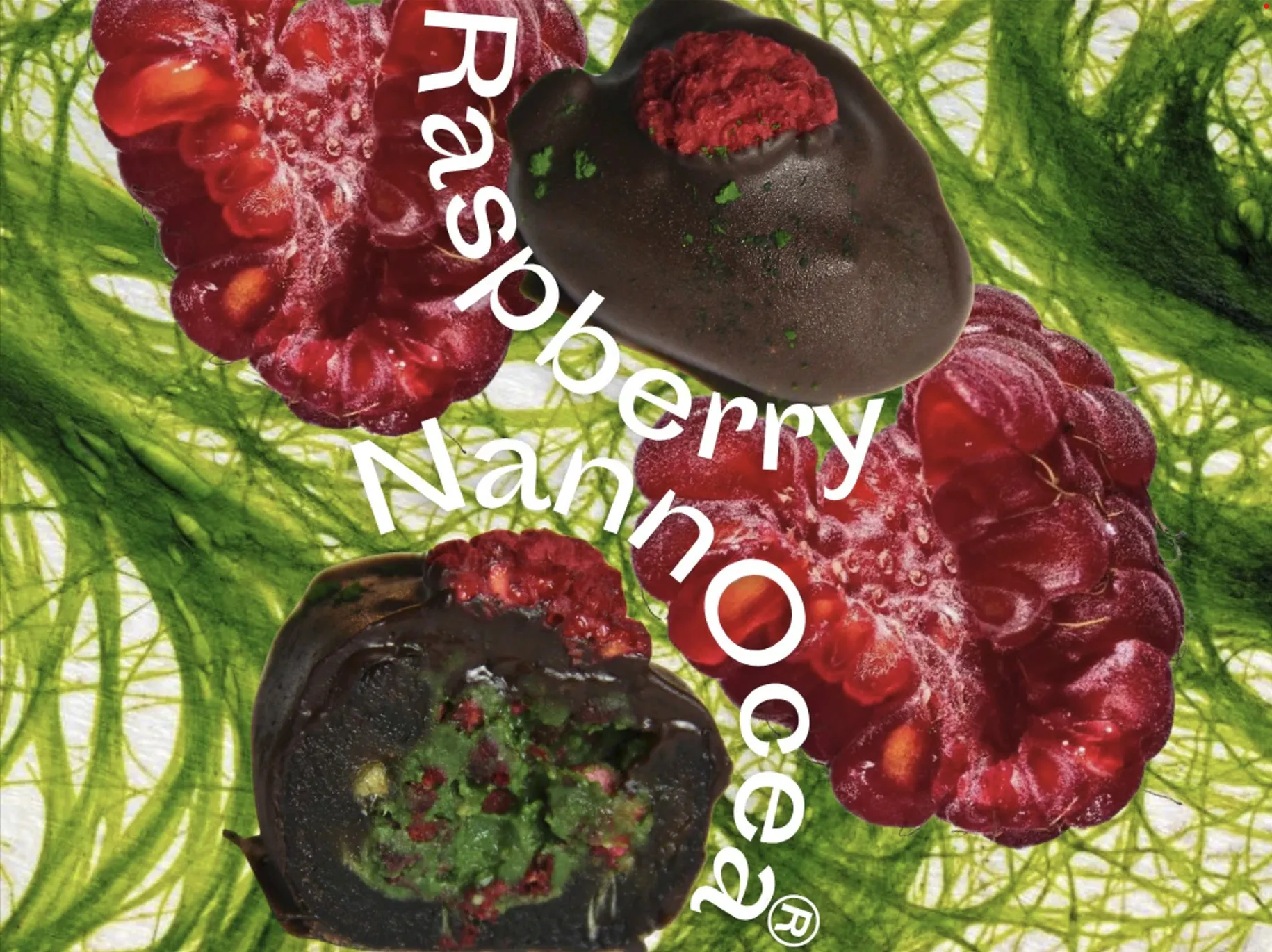
Phytoplankton are beginning to play a role in new consumer formats—from functional drinks to sports nutrition and clean-label blends.
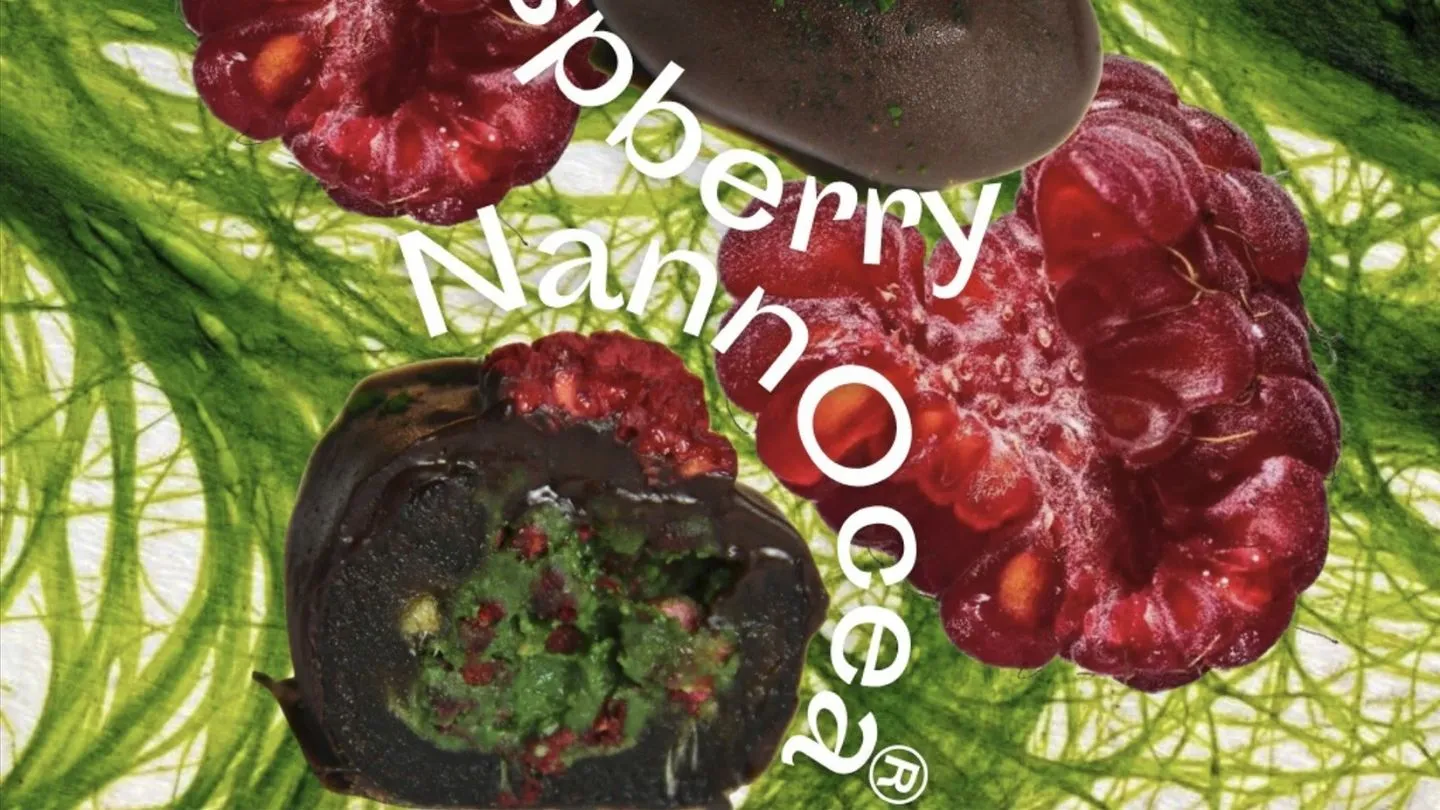
A recent example is Moonchy’s limited-edition Cycle Care Praline, a prototype exploring how foods could support different phases of the menstrual cycle. NannOcea® is part of their trial formulation, adding natural EPA, antioxidants, and complete protein into a delicious, indulgent bite.
If you’re interested in exploring how NannOcea® could fitinto your own product concepts, our sales team would be happy to support you.
Get in touch to start the conversation.
%20(1).webp)